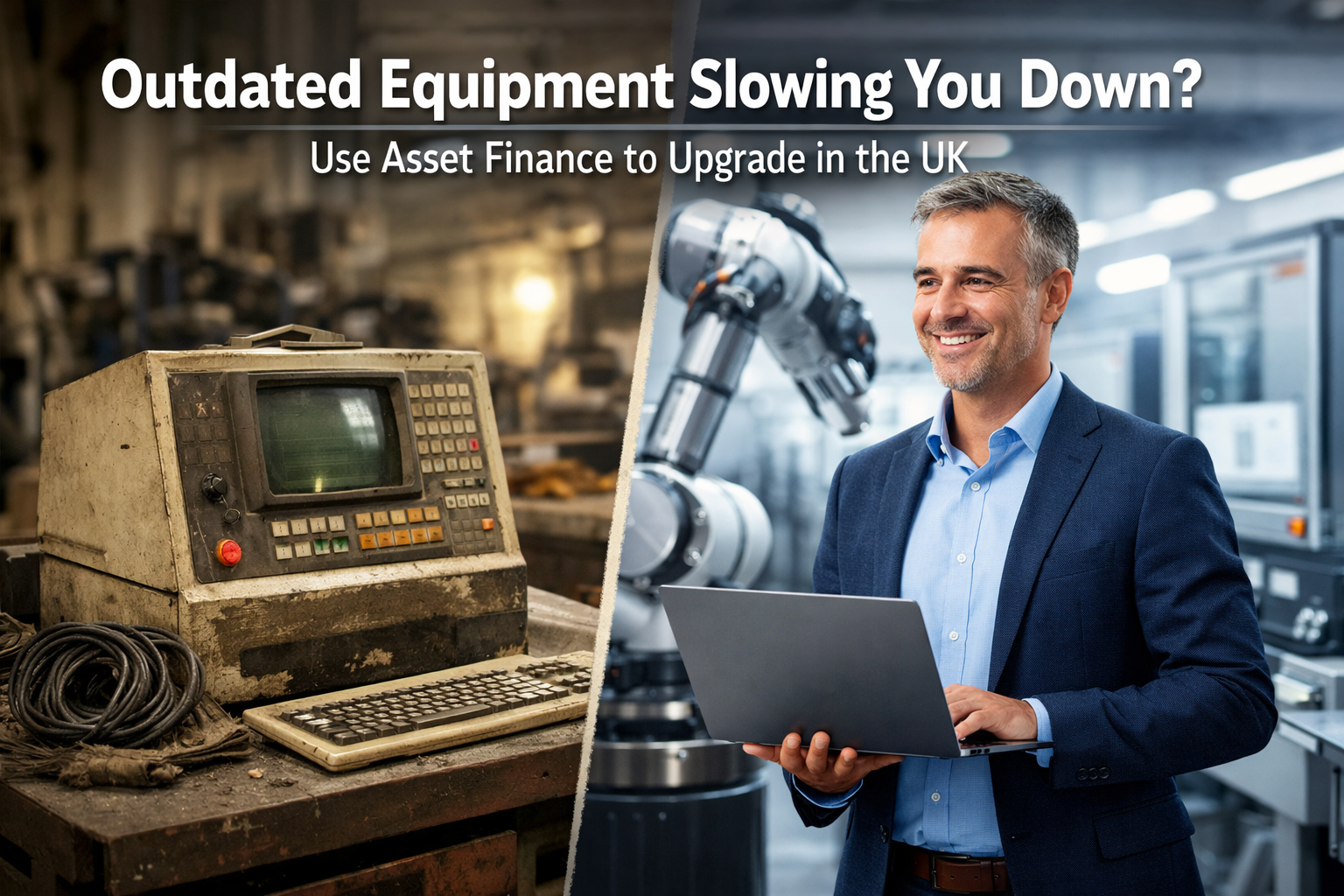
Business Asset Refinance in the UK: Eligibility, Rates, and Process in 2026
In the fast-paced world of UK business, sometimes the most valuable asset isn’t the cash in your bank account, it’s the heavy machinery in your warehouse or the fleet of vans in your car park. But what if you could turn that physical “stuff” back into liquid cash without actually selling it? Yes, you could do it with asset refinance.
If your business is sitting on valuable equipment but feeling a bit “cash-poor,” this financial strategy could be your best move in 2026. Whether you want to bridge a cash flow gap, fund a new project, or simply consolidate some messy debts, let’s break down how to refinance business asset in the UK.
What Do You Mean by Refinance Business Asset?
Refinance business asset is like taking out a mortgage on your business equipment. You already own the asset, and a lender gives you a lump sum of cash based on its current market value. The best part? You keep using the equipment. It doesn’t leave your site. You just pay back the loan in monthly installments over an agreed period.
Why Do Businesses Refinance Business Asset?
- Release Working Capital: Unlock cash that’s “trapped” in vehicles or machinery.
- Debt Consolidation: Combine several smaller finance agreements into one manageable monthly payment.
- Growth Funding: Use the equity in your current kit to pay for a deposit on a new office or a major marketing campaign.
Eligibility to Refinance Business Asset: Can Your Business Qualify?
Lenders in 2026 have become more flexible, but they still have a checklist. Generally, if you’re a UK-registered business (SME or larger) and you have equipment with a clear resale value, you’re in the running.
1. The Asset Type
Lenders prefer “hard” assets because they hold their value better and are easier to sell if things go wrong. Think:
- Agricultural machinery
- Construction plant (diggers, cranes)
- CNC machines and printing presses
- Commercial vehicles and HGV fleets
“Soft” assets (like software, IT systems, or gym equipment) can be refinanced, too, but the terms might be shorter because they depreciate faster.
2. Proof of Ownership
To refinance business asset, you usually need to own them “unencumbered” (meaning you’ve paid off the original loan). However, some lenders offer “Sale and Leaseback” options even if you still owe a bit of money on the original hire purchase services. They’ll pay off the old lender and give you the remaining cash.
3. Financial Health
While asset-backed lending is often more lenient than an unsecured bank loan, lenders will still look at:
- Trading History: Most like to see at least 12–24 months of trading.
- Bank Statements: To ensure you can afford the new monthly repayments.
- Credit Score: A “blip” isn’t necessarily a deal-breaker since the asset acts as security, but a better score will always land you the best asset finance rates.
New Rates and Costs in 2026: What’s the Damage?
As of early 2026, interest rates have stabilised, but they vary significantly based on your risk profile and the asset itself.
| Factor | Typical Range (Estimate) |
| Interest Rates (APR) | 6% – 15% |
| Loan-to-Value (LTV) | 70% – 90% of the asset’s value |
| Repayment Term | 1 – 5 years (up to 7 for some heavy kit) |
Pro Tip: Don’t just look at the interest rate. Watch out for arrangement fees (usually 1–2% of the loan amount) and valuation fees. Sometimes, a higher rate with zero fees is actually the best deal for your specific situation.
The Process: From Kit to Cash in Easy Steps
Refinancing is surprisingly quick compared to a traditional mortgage or a complex business loan. Here is how it usually goes down:
Step 1: The Initial Chat
- You tell a broker or lender what you’ve got. “I have five 2023 Volvo trucks worth roughly £250,000.” They’ll give you an “indicative quote”—a ballpark figure of what they might lend.
Step 2: Asset Valuation
- The lender needs to know the “forced sale value” of your kit. They might send a surveyor to your site, or for vehicles, they might just use a digital valuation tool. They’ll want to see service records and proof of purchase.
Step 3: Credit Approval
- The lender’s underwriters look at your accounts. This part usually takes 24 to 48 hours. They’ll want to see that the business is stable enough to keep up with the new payment schedule.
Step 4: Documentation & Payout
- Once approved, you’ll sign the docs (often digitally). If you are using a “Sale and Leaseback” model, you technically sell the asset to the lender and hire it back. The funds hit your bank account, often within 3–5 days of the initial inquiry.
Final Thoughts
In 2026, the businesses that thrive are the ones that stay liquid. To refinance business asset isn’t a sign of a struggling company; it’s a sign of a savvy one that knows how to make its equipment work just as hard on the balance sheet as it does on the shop floor.
If you’re sitting on a goldmine of machinery, it might be time to stop looking at it as just “tools” and start looking at it as the fuel for your next big move.
Also Read:- How Does an Operating Lease Work? A Simple Guide for UK Businesses
FAQs
Q. Will I lose the use of my equipment?
Ans:- No. You keep the assets on-site and use them exactly as you did before. The only difference is that the legal “title” might temporarily sit with the lender.
Q. Can I refinance an asset I’m still paying for?
Ans:- Yes, often called “mid-term refinance.” The new lender pays off your existing balance and gives you the remaining equity as cash.
Q. What happens if I can’t make the payments?
Ans:- Because the loan is secured against the asset, the lender has the right to repossess it. Always ensure the repayments are sustainable for your cash flow.
Q. Is there a minimum value for refinancing?
Ans:- Most specialist UK lenders look for assets worth at least £10,000–£15,000, though some “micro-finance” options exist for smaller amounts.
Q. Are there tax benefits?
Ans:- Generally, the interest part of your repayments is tax-deductible as a business expense. However, you should always check with your accountant regarding capital allowances.
Discover the Latest Trends
Stay informed with our latest articles and resources.